
Pydantic
Python data validation and settings management powered by type hints.

개요
주요 기능
- Type-hint based data validation and parsing
- Automatic JSON schema generation
- Custom validators and serializers
- Settings management via pydantic-settings
- Strict and coercive validation modes
- Integration with LLM structured output workflows
사용 사례
Validate API request and response payloads
Define typed models to parse and validate incoming API data, returning structured error messages when inputs don't match the expected schema, commonly used with FastAPI.
Manage application configuration and env vars
Use pydantic-settings to load and validate configuration from environment variables and files, ensuring type-safe settings across environments.
Enforce structured outputs from LLMs
Define Pydantic models to constrain and validate LLM responses, converting raw text into reliable, well-typed Python objects for downstream use.
Generate JSON schemas from Python models
Automatically produce JSON schemas from type-hinted models to document APIs, share contracts, or integrate with tools expecting standard schema definitions.
장단점
장점
- Intuitive API based on standard Python type hints
- Very fast validation thanks to its Rust core
- Excellent ecosystem support, including FastAPI
- Clear, structured error messages for debugging
단점
- Breaking changes between v1 and v2 require migration
- Advanced features have a steeper learning curve
- Runtime validation adds some overhead vs. plain classes
리뷰
4개 평가의 평균.
리뷰를 작성하려면 로그인하세요.
Ingrid Bauer
Years in this space
I've evaluated a lot of these over the years. What stands out here is type-hint based data validation and parsing — handled better than most — and excellent ecosystem support, including FastAPI. Worth the time if this is your use case.
Camille Laurent
Compared a few options
Evaluated this against two competitors. Where it wins: strict and coercive validation modes and clear, structured error messages for debugging. Where it lags: advanced features have a steeper learning curve. On balance the feature set — especially strict and coercive validation modes — justifies the 4 stars for our use case.
Grace Okafor
Use it every day
Honestly didn't expect to like it this much. Custom validators and serializers is exactly what I needed, and excellent ecosystem support, including FastAPI. I do wish runtime validation adds some overhead vs. plain classes, but I reach for it almost every day now and it just clicks.
Victor Nguyen
Use it every day
Honestly didn't expect to like it this much. Automatic JSON schema generation is exactly what I needed, and intuitive API based on standard Python type hints. but I reach for it almost every day now and it just clicks.
Q&A
아직 질문이 없습니다 — 첫 번째 질문을 해보세요.
질문하기
Coding Library 대안
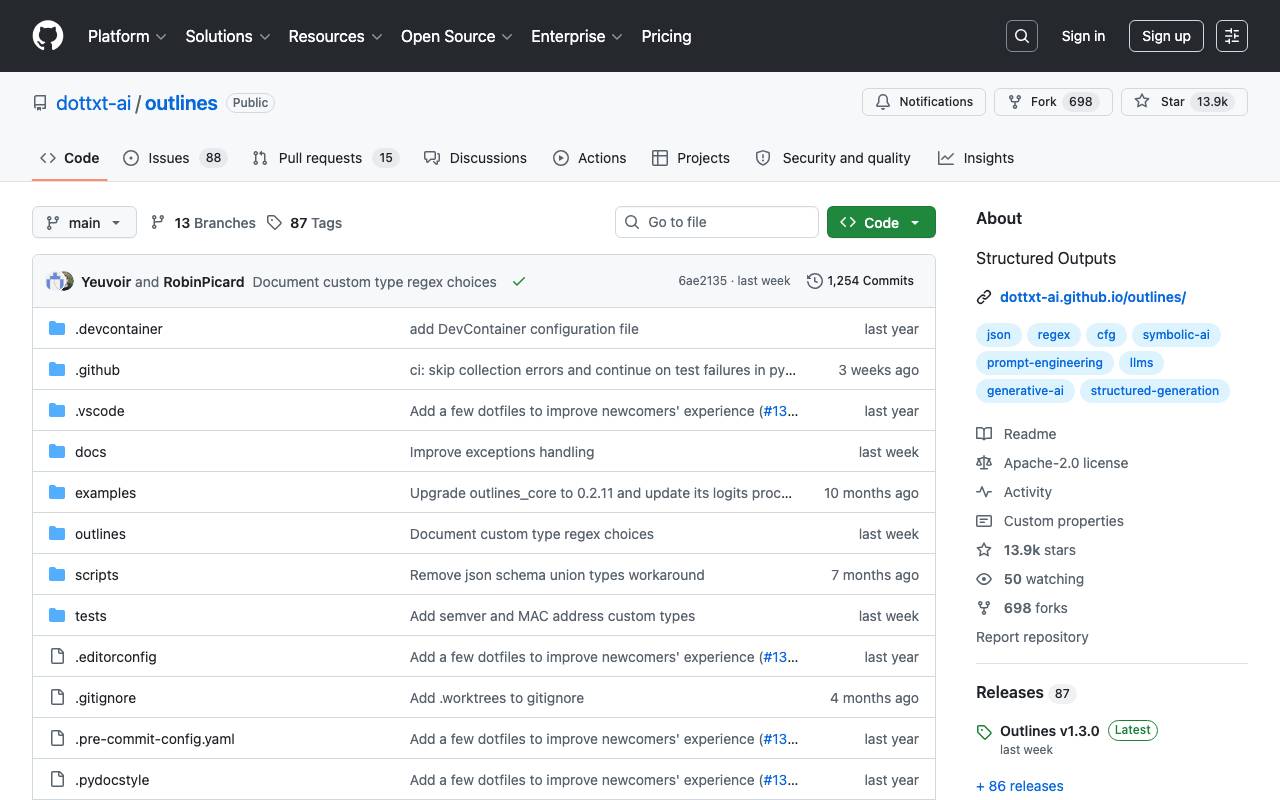

Outlines
Coding Library
Python library for structured, reliable outputs from large language models.


PixeeAI
Coding Library
An automated product security engineer that fixes vulnerabilities, hardens code, and squashes bugs to enhance software security.
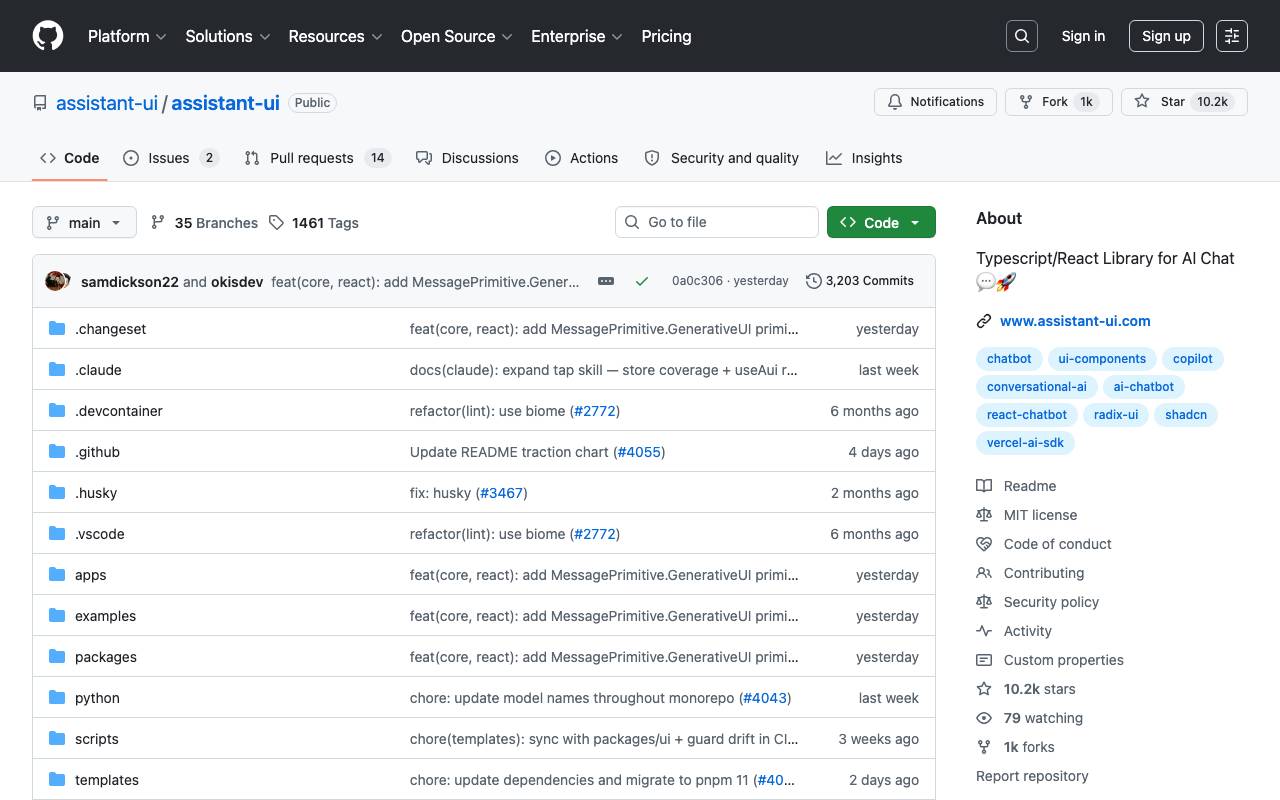

assistant-ui
Coding Library
An open-source TypeScript/React library enabling developers to integrate AI chat interfaces into their applications.